4 Strategies to Overcome Procrastination
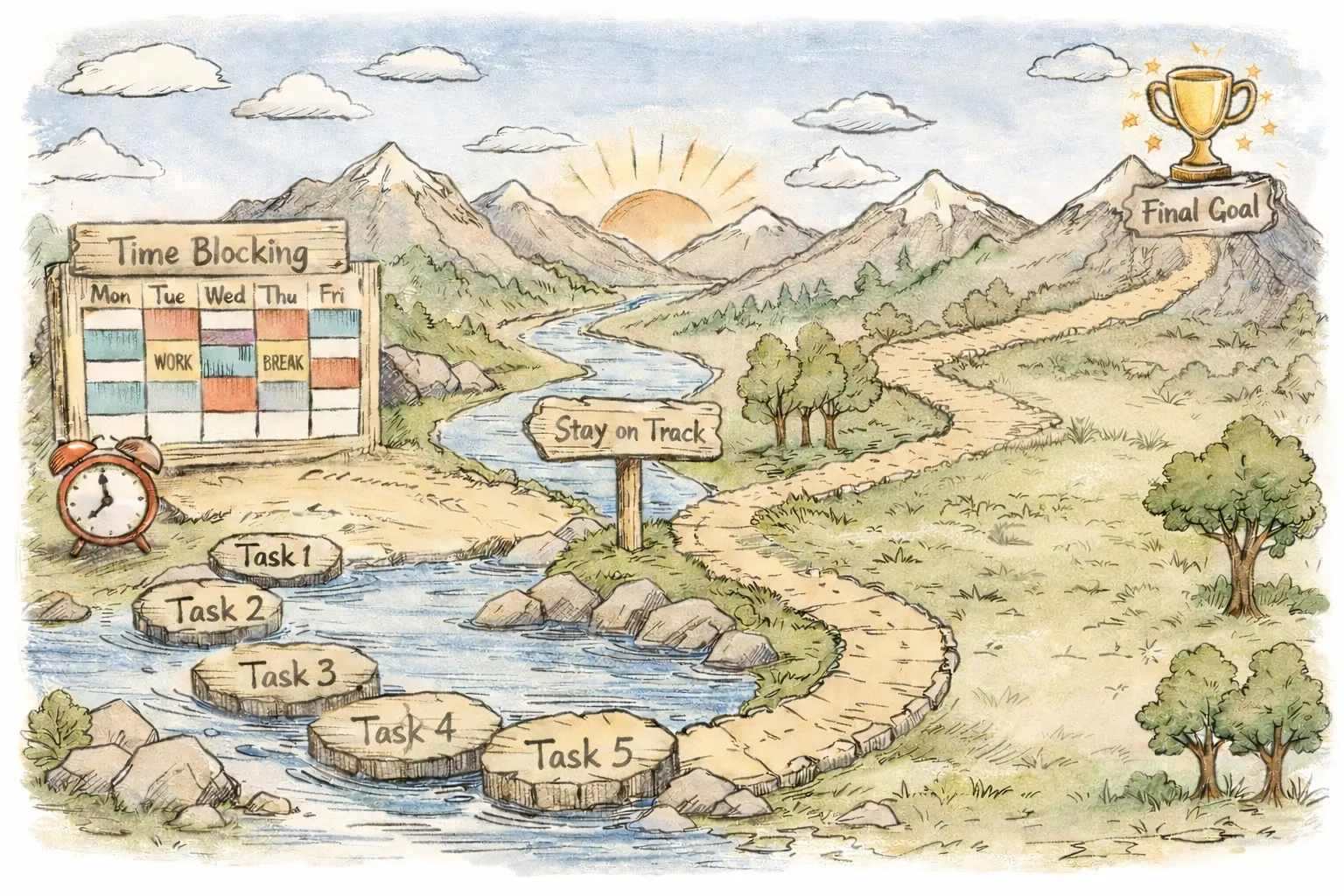
Procrastination is a widespread challenge that impacts countless individuals, frequently sabotaging our ambitions and leading to unnecessary stress and missed opportunities.
It arises from a variety of factors, including perfectionism, lack of clear goals, decision fatigue, or even underlying issues like anxiety and low self-esteem. Understanding the roots of procrastination is essential because it not only hampers daily productivity but also affects long-term achievements and overall well-being. Research from psychologists like Timothy Pychyl highlights how procrastination is often an emotional regulation problem rather than a time management issue. By addressing it, you can unlock higher levels of efficiency, reduce guilt, and foster a more fulfilling life. There's an abundance of insights into the psychology behind procrastination and its far-reaching effects on mental health, career progression, and personal relationships.
I strongly encourage you to confront your procrastination patterns directly and commit to transformative actions. For deeper exploration, consider the insightful book "Eat That Frog!" by Brian Tracy, which provides actionable advice on prioritizing tasks. Another excellent read is "The Now Habit" by Neil Fiore, focusing on overcoming the guilt cycle associated with delaying tasks.
This comprehensive guide details 4 proven strategies to help you overcome procrastination effectively. Implementing these will enable you to tackle tasks with greater ease, minimize overwhelm, and sustain momentum throughout your day. Whether you're a student, professional, or entrepreneur, these methods are adaptable and can lead to noticeable improvements in your output. Begin incorporating them gradually, and you'll experience enhanced focus, reduced stress, and a sense of accomplishment that propels you forward.
By adopting these strategies, studies suggest you could increase your productivity by up to 40-50% on average, resulting in accelerated goal achievement and greater life satisfaction.
So, let's explore these 4 strategies in depth to conquer procrastination once and for all.
Remember: overcoming procrastination isn't about forcing willpower alone; it's about creating systems that make starting and continuing easier. Focus on progress over perfection, and these approaches will help you build lasting habits that prioritize action over avoidance.
1. Break Tasks into Smaller Steps
A primary driver of procrastination is the perception of tasks as monolithic and daunting, which triggers avoidance behaviors. By deconstructing them into smaller, achievable steps, you reduce the mental barrier to entry and create a pathway for quick wins that build confidence.
Start by clearly defining your overarching objective, then segment it into granular actions. For instance, if your goal is to launch a new project, begin with brainstorming ideas for 10 minutes, followed by researching one resource, then drafting an outline. This technique, often called "task chunking," leverages the Zeigarnacher effect, where incomplete tasks linger in our minds, motivating us to finish them once started.
To organize these steps, utilize digital tools or traditional methods. A highly effective app is Todoist, which supports nested subtasks, due dates, and priority levels. It's accessible on iOS, Android, and web platforms. The free tier is robust for most users, while premium unlocks features like automated reminders and integrations with calendars. Experiment with it to customize your workflow, and let me know in the comments how it transforms your approach.
If you prefer analog methods, a bullet journal can be equally powerful—list steps in a dedicated spread with checkboxes for visual progress tracking. Additionally, incorporate time estimates for each step to avoid underestimating effort, which can lead to further delays.
Bonus tip: Pair this with the "two-minute rule" from David Allen's Getting Things Done methodology: if a step takes less than two minutes, do it immediately to clear mental clutter.
Consistency in breaking down tasks can turn overwhelming projects into a series of simple actions, fostering a habit of immediate initiation.
2. Set Strict Deadlines and Use Time Blocking
Tasks without boundaries tend to expand indefinitely, a phenomenon known as Parkinson's Law. Establishing firm deadlines and employing time blocking creates urgency and structure, countering the open-ended nature that fuels procrastination.
Begin by assessing your priorities and assigning realistic deadlines, breaking them into daily or weekly milestones. Time blocking involves scheduling specific periods for focused work, treating them as non-negotiable appointments. For example, block 9-11 AM for deep work on a report, followed by a short break.
A versatile tool for this is Google Calendar, offering color-coding, recurring events, and seamless sharing. It's free and available on web, iOS, and Android. Integrate it with notifications to stay on track and review your blocks weekly to refine them.
Enhance this with the Pomodoro technique: dedicate 25-minute intervals to undivided attention on a task, interspersed with 5-minute rests. Apps like Focus Booster automate timers and provide analytics on your sessions, helping identify patterns in your productivity.
Note: Be mindful of overcommitment; include buffer zones for transitions and unforeseen interruptions to maintain sustainability.
Successfully implementing deadlines and time blocking often leads to a virtuous cycle of completed tasks and heightened motivation.
Bonus tip: Use accountability partners—share your deadlines with a friend or colleague for external pressure that reinforces commitment.
3. Eliminate Distractions and Create a Focused Environment
In our hyper-connected world, distractions abound, from social media notifications to environmental noise, all conspiring to divert attention and enable procrastination. Curating a distraction-free zone is crucial for maintaining flow states where deep work thrives.
Identify your primary interrupters and mitigate them: silence phone alerts, close unnecessary tabs, and designate a quiet workspace. Employ website blockers during peak hours to restrict access to tempting sites like YouTube or news feeds.
An excellent solution is Freedom, which synchronizes blocks across all your devices for comprehensive control. Try it on iOS, Android, or desktop with a free trial to assess its impact.
To further optimize, introduce elements that promote concentration, such as ambient noise or focus music. Explore Focus@Will, a service with neuroscience-backed soundtracks designed to enhance attention spans.
Consider your physical environment too—good lighting, ergonomic setup, and minimal clutter can significantly boost focus. Establish rituals, like starting with a deep breath or organizing your desk, to signal the brain it's time to work.
If distractions persist despite efforts, it might indicate deeper issues like ADHD; consult a healthcare professional for personalized advice.
Bonus tip: Practice mindfulness meditation for 10 minutes daily to train your attention muscle, making it easier to resist impulses.
4. Reward Yourself and Track Progress
Human behavior is heavily influenced by rewards, and leveraging this through positive reinforcement can reframe tasks from burdensome to rewarding, diminishing the allure of procrastination.
Design a system where completions earn treats: after finishing a report section, enjoy a favorite snack or a brief leisure activity. Scale rewards to task size—small wins get quick perks, while major milestones warrant bigger celebrations.
Documenting progress visually reinforces success; use journals, spreadsheets, or apps to log achievements and reflect on growth. Habitica gamifies this process, turning habits into RPG elements with points, levels, and virtual rewards. Download it for iOS or Android to make tracking engaging.
Review your logs regularly to celebrate streaks and adjust strategies. Incorporate self-compassion—forgive slips without abandoning the system.
Note: Ensure rewards align with your values; avoid counterproductive ones like excessive screen time if that's a distraction source.
These are 4 in-depth strategies I've applied personally to dismantle procrastination barriers, and I'm eager to share them with you for your benefit.
Let's summarize the key points:
- Decompose overwhelming tasks into smaller, digestible steps to ease initiation and build momentum
- Impose strict deadlines and utilize time blocking to instill structure and urgency in your routine
- Proactively eliminate distractions while crafting an environment conducive to sustained focus
- Implement rewards for accomplishments and diligently track progress to reinforce positive behaviors
Patience is vital; while initial changes might feel effortful, consistent application will yield compounding benefits, transforming your productivity landscape.
What's your most effective tactic for overcoming procrastination?
Share your experiences, challenges, and additional tips in the comments section—I'd love to hear from you!
Found this guide valuable?
Please consider sharing it across your social media channels to inspire others.
Sharing fosters community growth, so let's amplify these insights together!
Subscribe to our newsletter to receive the newest articles directly in your inbox. Subscribe now!


Join Our Newsletter
New articles straight to your inbox!